

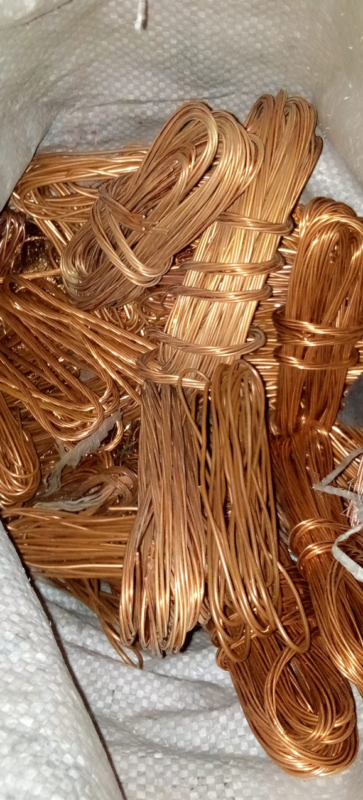
Copper scrap
Why Recycling Copper Scrap Is Critical for a Sustainable Future
Feb
The global push toward sustainability has placed copper scrap recycling at the forefront of environmental conservation efforts. As industries worldwide grapple with resource depletion and environmental degradation, the importance of recycling copper has never been more apparent. This versatile metal, essential to modern civilization, plays a crucial role in our transition toward a more sustainable future.
Understanding Copper Scrap and Its Significance
Copper scrap refers to any copper-containing material that has reached the end of its useful life or results from manufacturing processes. This includes old electrical wiring, plumbing fixtures, industrial equipment, electronics, and construction materials. Unlike many materials that degrade during recycling, copper maintains its properties indefinitely, making it infinitely recyclable without quality loss.
The significance of copper in modern society cannot be overstated. From electrical systems to telecommunications, from transportation to renewable energy infrastructure, copper’s excellent conductivity and durability make it indispensable. As global copper demand continues rising, recycling copper scrap has become not just environmentally responsible but economically imperative.
Environmental Benefits of Copper Scrap Recycling
Reducing Mining Impact
Mining virgin copper ore creates substantial environmental damage. Open-pit mining destroys landscapes, displaces wildlife, and generates massive amounts of waste rock. For every ton of copper extracted, mining operations disturb approximately 125 tons of earth. By recycling copper scrap, we dramatically reduce the need for new mining operations, preserving natural habitats and minimizing ecosystem disruption.
The extraction process also requires significant land clearing, leading to deforestation and soil erosion. Mining operations often contaminate local water sources with heavy metals and acidic runoff, affecting communities and ecosystems for generations. Recycling copper eliminates these destructive practices, protecting biodiversity and maintaining ecological balance.
Energy Conservation
Perhaps the most compelling environmental argument for copper scrap recycling lies in energy savings. Producing copper from recycled materials requires only 15-20% of the energy needed to extract and process virgin ore. This dramatic reduction translates to approximately 85% energy savings per ton of copper recycled.
Consider the scale: global copper recycling saves enough energy annually to power millions of homes. This energy conservation directly reduces fossil fuel consumption and associated greenhouse gas emissions. As climate change accelerates, every ton of copper scrap recycled represents a meaningful contribution to emission reduction targets.
Reducing Carbon Emissions
The copper mining and refining industry generates substantial carbon dioxide emissions. From diesel-powered mining equipment to energy-intensive smelting operations, virgin copper production carries a heavy carbon footprint. Recycling copper scrap reduces CO2 emissions by up to 65% compared to primary production.
With industries and governments worldwide committing to net-zero targets, copper recycling offers a practical pathway to reducing industrial emissions. The circular economy model, where materials continuously cycle through use and reuse, positions copper scrap recycling as a cornerstone of sustainable industrial practices.
Economic Advantages of Copper Scrap Recycling
Cost Effectiveness
Recycling copper scrap provides significant economic benefits beyond environmental considerations. Processing recycled copper costs substantially less than mining and refining virgin ore. These savings cascade through supply chains, reducing manufacturing costs and making products more affordable for consumers.
For businesses, sourcing recycled copper offers predictable pricing advantages. While virgin copper prices fluctuate with mining costs and geopolitical factors, recycled copper typically maintains more stable pricing. This stability helps manufacturers plan budgets and maintain competitive pricing.
Job Creation
The copper recycling industry generates substantial employment opportunities. From collection and sorting to processing and distribution, the copper scrap recycling sector employs millions globally. These jobs span skill levels, from entry-level positions to specialized technical roles, contributing to economic development in communities worldwide.
Unlike mining operations that may be limited to specific geographical locations, copper recycling facilities can operate wherever sufficient scrap volumes exist. This geographic flexibility means job creation in urban and rural areas alike, supporting diverse communities.
Resource Security
Countries lacking significant copper ore deposits depend on imports for their copper needs. By developing robust copper scrap recycling infrastructure, nations can achieve greater resource independence. Recycling domestic copper waste reduces reliance on international supply chains, enhancing economic security and resilience.
This resource security becomes particularly important during global disruptions. The COVID-19 pandemic demonstrated how supply chain interruptions can impact industries. Countries with strong copper recycling capabilities weathered these disruptions more effectively.
Copper Scrap in the Circular Economy
Closing the Loop
The circular economy model aims to eliminate waste by keeping materials in continuous use. Copper scrap exemplifies this concept perfectly. When copper products reach end-of-life, they become feedstock for new products rather than waste. This closed-loop system conserves resources while minimizing environmental impact.
Modern manufacturing increasingly embraces circular principles. Electronics manufacturers now design products for easier disassembly and copper recovery. Construction companies salvage copper wiring and plumbing during demolitions. These practices ensure maximum copper scrap recovery and recycling efficiency.
Supporting Renewable Energy Transition
The global shift toward renewable energy demands unprecedented copper quantities. Wind turbines, solar panels, and electric vehicles require significantly more copper than conventional alternatives. A single electric vehicle contains approximately 83 kilograms of copper, nearly four times that of traditional vehicles.
Meeting this surging demand through mining alone would prove environmentally catastrophic. Recycling copper scrap provides the sustainable solution, supplying the renewable energy sector without corresponding environmental destruction. As renewable energy adoption accelerates, copper recycling becomes increasingly critical to achieving sustainability goals.
Technological Advances in Copper Scrap Processing
Improved Sorting Technologies
Modern recycling facilities employ sophisticated technologies to maximize copper scrap recovery. Automated sorting systems using sensors and artificial intelligence identify and separate copper from mixed waste streams with remarkable accuracy. These technologies increase recovery rates while reducing contamination.
X-ray fluorescence analyzers instantly identify copper alloys, enabling precise sorting by composition. This precision ensures recycled copper meets exact specifications for various applications, from electrical wiring to industrial machinery. Advanced processing techniques mean recycled copper often matches or exceeds virgin copper quality.
Innovative Recovery Methods
Researchers continuously develop new methods to recover copper from increasingly complex sources. Electronic waste contains small copper quantities but in vast volumes globally. Innovative hydrometallurgical and pyrometallurgical processes now efficiently extract copper from circuit boards and electronic components.
These technological advances make previously uneconomical copper scrap sources viable. As recovery technologies improve, recycling rates increase, further reducing environmental impact and resource consumption.
Challenges and Solutions in Copper Scrap Recycling
Collection and Logistics
Despite copper’s value, significant quantities still reach landfills. Improving collection systems remains crucial to maximizing recycling rates. Many countries lack comprehensive collection infrastructure, particularly for small copper-containing items like electronics and appliances.
Solutions include expanded municipal collection programs, incentive systems for scrap return, and public awareness campaigns. Some jurisdictions implement deposit schemes for copper-containing products, encouraging return for recycling. Enhanced logistics networks make copper scrap collection more efficient and cost-effective.
Contamination Issues
Contaminated copper scrap requires additional processing, increasing costs and energy consumption. Copper alloyed with other metals or attached to non-metallic materials presents processing challenges. Addressing contamination requires better sorting at collection points and consumer education about proper disposal.
Industry initiatives promoting design for recycling help minimize future contamination. Manufacturers increasingly use easily separable materials and provide disassembly instructions, facilitating cleaner copper scrap recovery.
The Future of Copper Scrap Recycling
Growing Demand Projections
Global copper demand is projected to double by 2050, driven by electrification and renewable energy deployment. Meeting this demand sustainably requires dramatically increased recycling rates. Currently, recycled copper supplies approximately one-third of global demand. Expanding this proportion becomes essential for environmental sustainability.
Investment in recycling infrastructure continues growing worldwide. Governments recognize copper scrap recycling’s strategic importance, implementing supportive policies and funding research. This momentum promises enhanced recycling capabilities and higher recovery rates.
Policy and Regulation
Progressive regulations increasingly mandate recycling and restrict landfill disposal of valuable materials like copper. Extended Producer Responsibility (EPR) programs hold manufacturers accountable for product end-of-life management, incentivizing recyclable designs. These policies drive systemic changes supporting copper scrap recycling expansion.
International agreements on resource conservation and climate action reinforce copper recycling’s importance. As carbon pricing mechanisms expand, the economic advantages of recycled copper over virgin material will strengthen further.
Conclusion
Recycling copper scrap stands as a cornerstone of sustainable development. The environmental benefits—reduced mining impact, energy conservation, and lower emissions—combine with economic advantages to create compelling arguments for maximizing copper recovery. As technology advances and awareness grows, copper recycling will play an increasingly vital role in building a sustainable future.
Every stakeholder has a role: individuals properly disposing of copper-containing items, businesses implementing recycling programs, governments creating supportive policies, and recycling industries investing in advanced technologies. Together, these efforts ensure copper scrap recycling achieves its full potential in creating a circular, sustainable economy.
The path to sustainability runs through conscious resource management. Copper recycling exemplifies how we can meet modern needs while preserving our planet for future generations. As we face mounting environmental challenges, embracing copper scrap recycling isn’t just beneficial—it’s critical for our sustainable future.
