
Copper scrap
Common Mistakes Sellers Make When Trading Scrap Metal
Jan
Trading scrap metal offers significant profit opportunities, but numerous sellers underperform or fail entirely due to avoidable mistakes. Whether you’re an established operation or new to the industry, understanding common pitfalls and how to avoid them can dramatically improve profitability and business sustainability. This comprehensive guide examines frequent mistakes in scrap metal trading and provides practical solutions for better outcomes.
Material Identification and Grading Errors
Misclassifying Scrap Grades
One of the most costly mistakes in scrap metal trading involves incorrectly identifying or grading materials. Different metals and alloys command vastly different prices—confusing brass for bronze, stainless steel for regular steel, or various aluminum alloys can mean the difference between profit and loss on large transactions.
Many sellers lack the knowledge to properly distinguish between similar-looking materials. Copper-bearing alloys like brass, bronze, and pure copper appear similar to untrained eyes but carry significantly different values. Selling bronze as brass or vice versa results in either underpayment or buyer rejection, both damaging to business success in scrap metal markets.
The solution involves investing in education and testing equipment. Handheld XRF analyzers instantly identify metal composition, eliminating guesswork. While representing significant initial investment, these devices quickly pay for themselves through improved accuracy in scrap metal identification and grading. Training staff on visual identification techniques, magnet testing, and spark testing provides affordable alternatives for operations unable to afford advanced equipment.
Ignoring Contamination Issues
Contamination severely impacts scrap metal values, yet sellers frequently overlook or underestimate its significance. Steel contaminated with excessive dirt, wood, or other non-metallic materials receives substantial price reductions or outright rejection. Mixed loads containing multiple metal types without proper separation command lower prices than properly sorted materials.
Many sellers assume buyers will handle sorting and cleaning, failing to realize that contamination directly affects their compensation. Buyers deduct costs for additional processing, transportation of worthless contaminants, and disposal of non-recyclable materials. These deductions often eliminate profit margins entirely, making contaminated scrap metal sales unprofitable.
Implementing thorough sorting procedures before selling maximizes returns. Separating ferrous from non-ferrous metals, removing attachments and contaminants, and properly grading materials according to buyer specifications ensures optimal pricing. While sorting requires labor and time, the price premiums for clean, properly prepared scrap metal consistently justify these efforts.
Pricing and Market Knowledge Deficiencies
Accepting First Offers Without Research
Perhaps the most expensive mistake in scrap metal trading is accepting initial offers without market research or comparison shopping. Scrap buyers naturally seek the best margins, meaning first offers rarely represent maximum possible prices. Sellers accepting these initial quotes without investigation consistently leave substantial money on the table.
Market prices fluctuate daily based on commodity exchanges, supply-demand dynamics, and global economic conditions. Sellers ignorant of current market conditions cannot effectively negotiate or recognize unfair offers. This knowledge gap leaves them vulnerable to exploitation by unscrupulous buyers who take advantage of seller naivety in scrap metal transactions.
Successful sellers monitor market indicators like London Metal Exchange (LME) prices, regional scrap indices, and industry publications. Understanding broader market trends provides context for evaluating buyer offers and negotiating effectively. Obtaining multiple quotes from different buyers creates competition that naturally improves pricing on scrap metal sales.
Focusing Solely on Price Per Pound
While price per pound matters, fixating exclusively on this metric without considering other factors represents shortsighted thinking in scrap metal trading. Different buyers offer various services, payment terms, and conveniences that affect overall transaction value beyond raw price.
A buyer offering slightly lower per-pound pricing but providing free pickup, immediate payment, and flexible scheduling may deliver better overall value than a higher-paying buyer requiring delivery, imposing minimum quantities, and delaying payment for weeks. Transportation costs, time investments, and cash flow considerations all impact profitability beyond headline scrap metal prices.
Evaluating the complete transaction package—pricing, payment terms, pickup services, minimum quantities, and processing requirements—provides clearer pictures of actual deal values. Sometimes accepting marginally lower prices from buyers offering superior service and terms results in better profitability and reduced operational headaches in scrap metal trading.
Ignoring Seasonal Price Patterns
Scrap metal markets exhibit seasonal patterns that savvy sellers leverage for improved profitability. Construction activity peaks during favorable weather, generating abundant scrap but also increasing supply that may depress prices. Winter slowdowns reduce supply, potentially strengthening prices if demand remains stable.
Sellers unaware of these patterns may sell during price troughs and miss opportunities during peaks. While holding inventory carries costs and risks, strategic timing of larger sales during favorable market conditions can significantly improve overall profitability. Understanding cyclical patterns helps sellers make informed decisions about when to accumulate inventory versus liquidating.
Industrial production cycles also affect scrap metal markets. Manufacturing slowdowns reduce demand, weakening prices, while economic expansions increase demand and strengthen pricing. Monitoring economic indicators and industrial production data helps sellers anticipate market movements and time transactions advantageously.
Operational and Logistics Mistakes
Inadequate Record Keeping
Poor documentation plagues many scrap metal operations, creating problems ranging from tax complications to payment disputes. Sellers failing to maintain detailed records of purchases, inventory, sales, and expenses struggle with financial management and face difficulties during tax preparation or audits.
Without proper records, tracking profitability by material type or buyer becomes impossible. This ignorance prevents optimization—sellers cannot identify which materials or buyers generate best returns without data. Decisions based on gut feelings rather than factual analysis lead to suboptimal outcomes in scrap metal trading.
Implementing systematic record-keeping procedures solves these problems. Whether using sophisticated software or simple spreadsheets, consistently documenting all transactions creates valuable business intelligence. Photographs of materials, weight tickets, sales receipts, and expense records provide comprehensive documentation supporting financial management and legal compliance in scrap metal operations.
Neglecting Proper Material Storage
Improper storage degrades scrap metal values and creates safety hazards. Storing ferrous metals outdoors without protection leads to rust and deterioration, reducing quality grades and prices. Mixing different materials in storage complicates subsequent sorting and increases contamination risks.
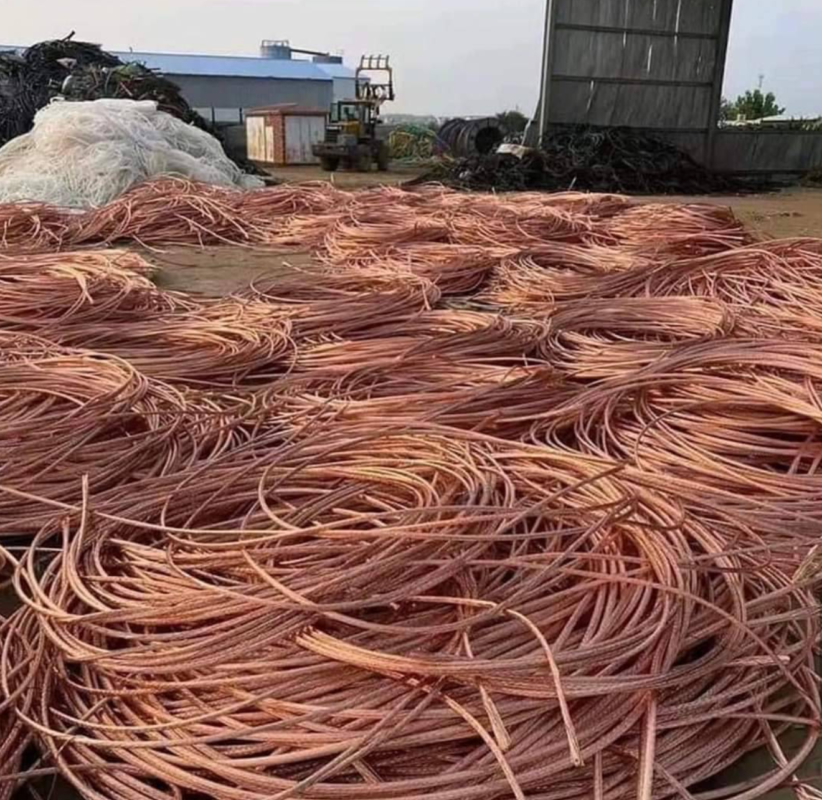
Copper exposed to weather develops corrosion that requires cleaning before sale, reducing net weights and values. Aluminum absorbs moisture that adds useless weight, reducing actual metal content percentages. These storage-related problems directly impact profitability yet remain easily preventable through proper facilities and procedures for scrap metal management.
Investing in covered storage areas, segregated sections for different materials, and organized inventory systems protects material quality and facilitates efficient operations. While storage improvements require capital investment, the preserved material values and improved operational efficiency typically justify these expenditures in serious scrap metal trading businesses.
Transportation Inefficiencies
Transportation represents significant costs in scrap metal trading, yet sellers frequently waste money through inefficient logistics. Partial truckloads waste capacity and increase per-pound transportation costs. Poor route planning increases fuel expenses and time waste. Inappropriate vehicles for hauling certain materials create loading difficulties and damage risks.
Consolidating shipments to maximize vehicle capacity dramatically improves transportation economics. Rather than making multiple small deliveries, accumulating sufficient volumes for full loads reduces per-unit costs substantially. Strategic route planning minimizing empty miles and coordinating pickups with deliveries improves efficiency in scrap metal logistics.
Matching vehicles to material types matters significantly. Box trucks work well for smaller, lighter loads while flatbed trucks handle bulky steel more efficiently. Understanding equipment requirements for different scrap metal types and either maintaining appropriate fleet diversity or partnering with specialized haulers optimizes transportation efficiency.
Legal and Regulatory Compliance Failures
Operating Without Proper Licensing
Many jurisdictions require specific licenses for scrap metal trading, yet some sellers operate without proper credentials. This creates legal liabilities including fines, business closure, and even criminal charges. Beyond legal risks, unlicensed operations struggle establishing relationships with legitimate buyers who verify supplier licensing.
Licensing requirements vary by location but often include scrap dealer licenses, business permits, environmental compliance certifications, and tax registrations. Navigating regulatory requirements seems daunting, but compliance protects businesses from legal problems while establishing legitimacy that facilitates relationships with premium buyers in scrap metal markets.
Consulting with attorneys familiar with scrap industry regulations ensures comprehensive compliance. While legal consultations involve expenses, they’re modest compared to potential fines, lost business opportunities, or legal liabilities from non-compliance. Legitimate, properly licensed scrap metal operations command better prices and access better buyers than unlicensed competitors.
Ignoring Environmental Regulations
Environmental regulations governing scrap metal operations address concerns like contaminated runoff, air emissions, and hazardous material handling. Sellers ignoring these requirements face substantial penalties and potential criminal charges. Environmental violations also create civil liabilities if contamination affects neighboring properties or water sources.
Proper environmental management includes containing runoff from storage areas, managing fluids from end-of-life vehicles, and handling materials containing hazardous substances appropriately. While environmental compliance involves costs, responsible practices protect businesses from devastating legal and financial consequences while supporting broader environmental protection in scrap metal industries.
Many environmental requirements are straightforward to implement. Storm water management, spill prevention procedures, and employee training prevent most problems. Understanding applicable regulations and implementing necessary controls demonstrates professionalism that appeals to legitimate buyers while protecting seller interests.
Failing to Verify Material Origins
Purchasing stolen scrap metal creates serious legal problems even if sellers unknowingly accept such materials. Law enforcement increasingly scrutinizes scrap transactions, and buyers may face charges as receivers of stolen property. Beyond criminal liability, civil lawsuits from property owners whose stolen materials entered commerce create additional risks.
Implementing verification procedures protects sellers from stolen material risks. Requiring identification from suppliers, maintaining detailed records of material sources, and refusing suspicious transactions where provenance seems questionable reduces exposure. While verification procedures may discourage some suppliers, protecting business integrity and legal compliance justifies these precautions in scrap metal trading.
Some jurisdictions mandate holding periods before processing certain materials, particularly catalytic converters and air conditioning components frequently targeted by thieves. Understanding and complying with these requirements protects sellers from inadvertently handling stolen scrap metal while supporting law enforcement efforts against metal theft.
Relationship and Business Practice Mistakes
Burning Bridges with Buyers
Short-term thinking sometimes leads sellers to damage relationships with buyers for temporary advantages. Breaching contracts to sell elsewhere for slightly better prices, misrepresenting material qualities, or behaving unprofessionally destroys reputations. The scrap metal industry operates on relationship networks where reputations spread quickly—damaged relationships prove difficult to repair.
Long-term buyer relationships provide stability worth more than occasional better spot offers. Established buyers offer consistent pricing, reliable payments, and operational flexibility that new buyers may not provide. Maintaining professional relationships through market ups and downs creates partnerships that weather industry volatility more successfully than purely transactional approaches to scrap metal trading.
Overcommitting on Volumes
Promising material quantities sellers cannot deliver damages credibility and destroys buyer relationships. Optimistically overestimating available supplies without verified sources leaves sellers scrambling when delivery deadlines arrive. Failed commitments force buyers to find alternative supplies, disrupting their operations while permanently damaging seller reputations in scrap metal markets.
Conservative volume commitments that sellers can reliably exceed build reputations for dependability. Buyers value reliable suppliers who consistently meet or exceed commitments over suppliers promising large volumes but frequently failing to deliver. Building business gradually through demonstrated reliability proves more sustainable than aggressive expansion through overcommitment in scrap metal trading.
Neglecting Customer Service
Scrap metal trading remains fundamentally relationship-driven despite its commodity nature. Sellers treating buyers dismissively, ignoring communication, or failing to address problems professionally damage relationships and lose business opportunities. Excellent customer service differentiates superior suppliers from mediocre competitors.
Prompt communication, flexibility accommodating buyer needs, and proactive problem-solving build strong relationships. When issues arise—and they inevitably do—addressing them professionally and fairly protects relationships and often strengthens them. Buyers remember sellers who handle problems well, creating loyalty extending beyond simple price competition in scrap metal markets.
Financial Management Mistakes
Insufficient Cash Flow Management
Scrap metal businesses require working capital for purchasing materials, covering operating expenses, and weathering payment delays from buyers. Sellers without adequate cash reserves struggle when unexpected expenses arise or when buyers delay payments. Cash flow problems force desperate selling at disadvantageous prices, eliminating profitability.
Maintaining cash reserves equal to several weeks of operating expenses provides buffers against disruptions. Conservative financial management including emergency funds, manageable debt levels, and avoiding overextension prevents cash crunches that sink scrap metal operations. Financial planning and discipline prove as important as operational skills for business success.
Inadequate Insurance Coverage
Scrap metal operations face various risks—fire, theft, liability, vehicle accidents—that insurance protects against. Underinsured or uninsured sellers risk catastrophic financial losses from single incidents. Fire destroying uninsured inventory can bankrupt operations overnight. Liability claims from injuries or environmental incidents without coverage create devastating consequences.
Comprehensive insurance including property, liability, vehicle, and worker’s compensation coverage protects businesses against foreseeable risks. While insurance represents ongoing expense, the protection provided justifies costs. Working with agents familiar with scrap metal industry specifics ensures appropriate coverage for unique industry risks.
Conclusion
Success in scrap metal trading requires avoiding common pitfalls that trap inexperienced and careless operators. From proper material identification to regulatory compliance, from market knowledge to customer service excellence, multiple factors determine profitability and sustainability. Sellers who recognize and avoid these mistakes position themselves for long-term success.
For operations like Uncular Metal Scrap, professional practices, continuous learning, and attention to detail create competitive advantages in crowded markets. The scrap metal industry rewards those who invest in knowledge, maintain high standards, and build strong relationships while punishing shortcuts and unprofessional conduct.
Moving forward successfully requires commitment to excellence across all business dimensions. Avoiding the mistakes outlined here while implementing best practices creates foundations for profitable, sustainable scrap metal trading operations. The difference between thriving and merely surviving often comes down to attention to these fundamental business principles that separate professionals from amateurs in competitive scrap metal markets.
