

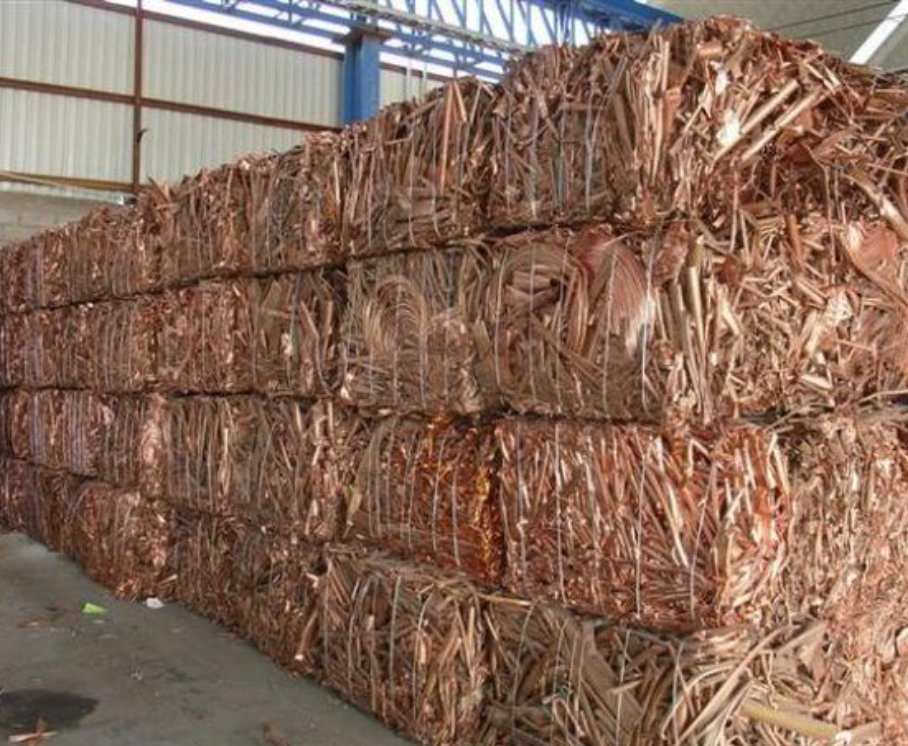
Copper scrap
Impact of Global Supply Chains on Scrap Metal Sales
Jun
The intricate web of global supply chains profoundly influences scrap metal sales worldwide. As international trade becomes increasingly interconnected, understanding how supply chain dynamics affect the scrap metal industry is essential for suppliers, buyers, and policymakers. This comprehensive exploration examines the multifaceted relationship between global supply chains and scrap metal markets.
Understanding Global Supply Chains in Scrap Metal
Scrap metal sales operate within complex international networks spanning collection, processing, transportation, and manufacturing. Unlike virgin materials with relatively linear supply chains from mine to manufacturer, scrap metal follows diverse pathways. Materials may be collected in one country, processed in another, and consumed in a third, creating intricate trade relationships.
The global nature of scrap metal trade reflects economic realities. Developed nations generate substantial scrap volumes from aging infrastructure, demolished buildings, and discarded products. Meanwhile, rapidly industrializing countries demand massive metal quantities for construction and manufacturing. This imbalance drives international scrap metal sales, with materials flowing from surplus to deficit regions.
Key Factors Influencing Scrap Metal Sales
Industrial Production Cycles
Manufacturing activity directly impacts scrap metal sales demand. When factories operate at high capacity producing cars, appliances, and machinery, they require substantial metal inputs. Economic expansions drive increased scrap consumption as manufacturers seek cost-effective raw materials.
Conversely, economic downturns reduce manufacturing output, depressing scrap demand and prices. The 2008 financial crisis demonstrated this volatility—scrap metal sales plummeted as construction halted and manufacturing contracted. Understanding these cyclical patterns helps market participants anticipate price movements and adjust strategies accordingly.
Construction and Infrastructure Investment
Construction generates both scrap metal supply through demolition and demand through new projects. Major infrastructure initiatives, particularly in developing nations, create enormous appetite for steel and other metals. China’s infrastructure boom, for example, transformed global scrap metal sales patterns, making it the world’s largest importer for years.
Government infrastructure spending decisions ripple through international scrap markets. When countries announce major construction programs, scrap metal sales typically accelerate as suppliers position themselves to meet anticipated demand. Similarly, project delays or cancellations can suddenly flood markets with excess supply.
Currency Exchange Rates
International scrap metal sales are highly sensitive to currency fluctuations. Most transactions occur in US dollars, meaning exchange rate movements significantly affect profitability for non-dollar regions. A strengthening dollar makes scrap more expensive for importers using other currencies, potentially reducing demand.
For exporters, currency values determine competitiveness. When local currencies weaken against the dollar, exports become more attractive, stimulating scrap metal sales abroad. Conversely, strong local currencies may favor domestic consumption over exports. Successful scrap traders monitor currency markets closely, hedging exchange rate risks when necessary.
Geopolitical Factors
Political relationships and trade policies profoundly impact scrap metal sales flows. Trade agreements facilitate movement across borders, while tariffs and restrictions impede it. The US-China trade tensions exemplified this—tariffs on scrap metal exports disrupted established trading patterns, forcing suppliers to seek alternative markets.
Geopolitical instability creates supply chain uncertainties. Conflicts, sanctions, and political disputes can suddenly close markets or routes, requiring rapid supply chain adjustments. Diversifying market exposure helps scrap metal sales operations weather geopolitical turbulence.
Regional Supply Chain Dynamics
Asia-Pacific Markets
The Asia-Pacific region dominates global scrap metal sales, both as consumer and increasingly as supplier. China’s role evolved dramatically—from the world’s largest importer to implementing import restrictions, forcing global supply chain reconfigurations. These policy shifts sent shockwaves through international scrap markets.
India, Vietnam, and other Asian nations absorbed some diverted flows, but market adjustments proved challenging. Suppliers accustomed to Chinese demand faced logistics challenges, quality specification differences, and payment term variations in alternative markets. These adjustments highlight supply chain inflexibility and adaptation costs.
Southeast Asian countries increasingly participate in scrap metal sales as both generators and consumers. Economic development generates scrap from obsolete infrastructure while industrial growth creates demand. This regional maturation adds complexity to Asia-Pacific supply chains.
European Supply Chains
Europe maintains sophisticated scrap metal sales networks with well-established collection, sorting, and processing infrastructure. The European Union’s circular economy initiatives promote domestic recycling, sometimes limiting export availability. This creates tension between environmental goals and economic opportunities from international sales.
European scrap quality standards rank among the world’s highest, commanding premium prices. However, meeting diverse international specifications requires flexible processing capabilities. Turkish importers, for example, may accept materials that European steel mills reject, creating opportunities for scrap metal sales that serve multiple markets.
Brexit introduced new complexities to European supply chains. Border procedures, tariff considerations, and regulatory divergence between the UK and EU affect scrap metal sales flows, creating additional administrative burdens and potential delays.
North American Networks
North America generates enormous scrap volumes from its mature industrial base and consumer economy. The United States ranks among the world’s largest scrap exporters, with scrap metal sales reaching dozens of countries. Mexico’s manufacturing growth, particularly in automotive production, increased regional scrap demand.
The USMCA trade agreement facilitates North American scrap metal sales by reducing barriers and providing regulatory certainty. Integrated manufacturing supply chains, especially in automotive and appliances, create circular material flows where products assembled in one country eventually return as scrap.
Transportation infrastructure significantly influences North American supply chains. Proximity to ports determines export feasibility and costs. Inland generators face higher transportation expenses, sometimes making distant sales uneconomical despite attractive prices.
Transportation and Logistics Challenges
Shipping Costs and Availability
Ocean freight costs dramatically affect international scrap metal sales profitability. Container and bulk shipping rates fluctuate based on fuel prices, vessel availability, and route demand. During the COVID-19 pandemic, container shortages and soaring freight rates severely disrupted scrap trade.
Scrap’s relatively low value-to-weight ratio makes transportation costs proportionally significant. When shipping rates spike, previously profitable international scrap metal sales become uneconomical, forcing suppliers toward domestic sales or storage. Understanding logistics costs is essential for competitive pricing.
Vessel availability presents another challenge. Bulk carriers suitable for scrap transport operate on complex global schedules. Securing space during peak periods requires advance booking and flexibility. Some suppliers maintain relationships with specific shipping lines to ensure capacity access.
Port Infrastructure
Port capabilities significantly influence scrap metal sales efficiency. Modern container terminals with efficient handling equipment process scrap quickly, minimizing dwell time and associated costs. Conversely, congested or poorly equipped ports create delays, increasing storage charges and deteriorating profit margins.
Some ports specialize in scrap handling, developing expertise and infrastructure for efficient processing. These facilities attract scrap metal sales business through superior service and competitive pricing. Suppliers increasingly consider port quality when selecting shipping routes.
Customs procedures at ports affect transaction speed. Efficient documentation processing and inspection protocols facilitate rapid cargo release. Delays from bureaucratic inefficiencies or corruption increase costs and create uncertainty in scrap metal sales timing.
Technology’s Role in Modern Supply Chains
Digital Platforms
Technology revolutionizes scrap metal sales by connecting buyers and sellers globally. Online marketplaces provide price transparency, expand market reach, and facilitate transactions. Digital platforms reduce information asymmetries that previously advantaged established traders with extensive networks.
These platforms enable smaller suppliers to access international markets previously beyond their reach. A small collection operation in Turkey can now connect directly with buyers in India or Vietnam, bypassing traditional intermediaries. This democratization increases competition while potentially improving margins for efficient operators.
Blockchain technology emerges as a solution for supply chain transparency. Recording scrap metal sales transactions on distributed ledgers creates verifiable provenance trails, addressing concerns about material origins and quality. This transparency becomes increasingly important as sustainability and ethical sourcing gain prominence.
Data Analytics
Advanced analytics help scrap metal sales operations optimize inventory management, pricing strategies, and logistics. Predictive models forecast price movements based on economic indicators, helping traders time purchases and sales. Supply chain analytics identify bottlenecks and efficiency opportunities.
Real-time tracking technologies provide visibility throughout supply chains. GPS-enabled containers allow monitoring shipment locations and conditions. This transparency reduces uncertainty in international scrap metal sales, helping buyers and sellers coordinate operations more effectively.
Environmental and Regulatory Considerations
Sustainability Standards
Growing environmental consciousness affects scrap metal sales through enhanced scrutiny of material origins and handling practices. Buyers increasingly demand assurance that scrap was collected and processed responsibly, without environmental damage or labor exploitation. Certifications demonstrating compliance with sustainability standards become competitive advantages.
The European Union’s Carbon Border Adjustment Mechanism (CBAM) may eventually include scrap metals, potentially altering scrap metal sales economics. Materials with lower embedded carbon emissions would gain advantages, incentivizing efficient collection and processing practices.
Import/Export Regulations
Regulatory compliance challenges multiply in international scrap metal sales. Each country maintains specific requirements for scrap imports, including quality specifications, contamination limits, and documentation. Non-compliance results in cargo rejection, creating significant financial losses.
China’s “National Sword” policy exemplified regulatory impacts. By dramatically tightening contamination standards for scrap imports, China effectively closed its market to many suppliers. This single policy shift restructured global scrap metal sales patterns, demonstrating regulatory power over international trade.
Export controls in some countries restrict scrap shipments to ensure domestic supply or prevent strategic material outflows. These restrictions fragment global markets and create price differentials between regions. Navigating this regulatory landscape requires expertise and often legal counsel.
Quality Control in Global Supply Chains
Inspection and Verification
Quality assurance presents unique challenges in international scrap metal sales. Unlike standardized new materials, scrap varies considerably in composition, contamination levels, and physical form. Disputes over quality specifications damage relationships and create financial losses.
Pre-shipment inspections by independent third parties help mitigate quality risks. Services like SGS provide verification that materials meet contracted specifications before shipment. While adding costs, these inspections reduce dispute risks and build trust in international scrap metal sales.
Photography and video documentation supplement physical inspections. Modern smartphones enable detailed visual records shared instantly across continents. This technology helps remote buyers assess materials before purchase, reducing uncertainties in international transactions.
Standardization Efforts
Industry organizations work toward standardizing scrap classifications internationally. The Institute of Scrap Recycling Industries (ISRI) specifications are widely recognized, providing common language for scrap metal sales. However, interpretation variations persist, occasionally causing disputes.
Harmonizing standards globally would facilitate scrap metal sales by reducing ambiguities. Efforts continue toward international consensus on specifications, testing methods, and acceptance criteria. Progress remains gradual due to differing regional practices and economic interests.
Future Trends in Scrap Metal Supply Chains
Circular Economy Integration
The circular economy concept reshapes scrap metal sales by emphasizing material recovery and reuse over linear consumption patterns. Manufacturers increasingly design products for easier disassembly and recycling, improving future scrap quality. These design changes will gradually transform scrap characteristics and value.
Extended Producer Responsibility (EPR) programs hold manufacturers accountable for product end-of-life management. As EPR expands globally, manufacturers may become more involved in scrap metal sales directly, potentially altering traditional supply chain structures.
Nearshoring and Regionalization
Recent supply chain disruptions prompt some manufacturers to prioritize proximity over cost optimization. This nearshoring trend could reduce international scrap metal sales volumes while strengthening regional markets. Local sourcing provides greater supply security and reduces transportation emissions.
However, scrap’s uneven global distribution limits nearshoring potential. Scrap-deficit regions will continue requiring imports regardless of broader supply chain trends. The fundamental economics of scrap metal sales—moving surplus material to demand centers—remain valid despite nearshoring elsewhere.
Automation and AI
Artificial intelligence and robotics will revolutionize scrap processing, improving sorting accuracy and processing efficiency. Better separation technologies increase recovered metal purity, enhancing value in scrap metal sales. Automation also addresses labor challenges facing the industry.
AI-powered price prediction and market analysis tools will become standard in scrap metal sales operations. These technologies help traders navigate volatile markets and optimize timing decisions. Competitive advantages may increasingly depend on technological sophistication rather than traditional expertise alone.
Conclusion
Global supply chains profoundly shape scrap metal sales through complex interactions of economic, political, technological, and environmental factors. Understanding these dynamics is essential for success in international scrap markets. As supply chains evolve with technological advancement and changing geopolitical realities, adaptability becomes crucial.
The future of scrap metal sales lies in leveraging technology for efficiency while building resilient supply chains capable of weathering disruptions. Sustainability considerations will increasingly influence material flows and values. Success requires balancing economic optimization with environmental responsibility while navigating complex regulatory landscapes.
For suppliers like Uncular Metal Scrap, thriving in this environment demands attention to quality, compliance, relationship building, and continuous adaptation. The scrap metal sales landscape will continue evolving, but fundamental principles—reliable supply, consistent quality, and professional service—remain timeless competitive advantages in global markets.
