

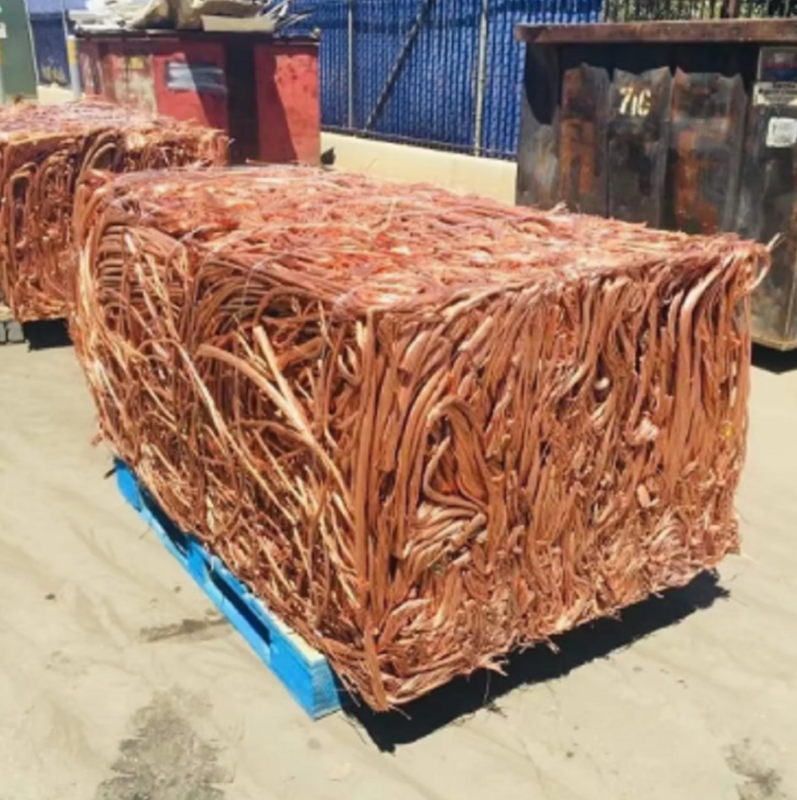
Copper scrap
Top Uses of Recycled Copper in Modern Industry
Aug
Recycled copper has become indispensable to modern industrial civilization, serving as a sustainable alternative to virgin copper across countless applications. As environmental consciousness grows and resource conservation becomes imperative, understanding how industries utilize recycled copper illuminates both its versatility and importance to our technological future.
The Fundamentals of Recycled Copper
Recycle copper maintains identical properties to virgin copper, making it genuinely interchangeable in applications. This remarkable characteristic distinguishes copper from many other materials that degrade through recycling. Whether sourced from old wiring, plumbing fixtures, or industrial equipment, properly processed recycled copper meets the same exacting standards as newly mined material.
The recycling process involves collection, sorting, cleaning, and melting. Sophisticated separation technologies remove contaminants and sort copper by alloy composition. Once melted and refined, recycle copper enters supply chains indistinguishable from virgin material, ready for manufacturing into new products that may themselves be recycled decades later.
This infinite recyclability positions copper as a model circular economy material. The copper used in Roman plumbing two millennia ago potentially remains in use today, recycled through countless applications across centuries. This timeless utility underscores recycled copper’s critical role in sustainable resource management.
Electrical and Electronic Applications
Power Generation and Distribution
Electrical applications consume approximately 60% of global copper production, with recycled copper supplying a substantial portion. Power generation facilities, whether conventional or renewable, depend on copper’s superior electrical conductivity. Transformers, generators, and electrical panels incorporate significant copper quantities, with recycled material performing identically to virgin copper.
The electrical grid relies extensively on copper for transmission and distribution infrastructure. High-voltage transmission lines, substations, and distribution networks contain thousands of tons of copper. As aging infrastructure undergoes replacement, recovered copper re-enters manufacturing cycles, creating sustainable material flows.
Smart grid technologies expanding globally increase copper demand for advanced metering, monitoring, and control systems. Recycled copper helps meet this demand sustainably, supporting electrical infrastructure modernization without corresponding environmental costs of increased mining.
Consumer Electronics
Modern electronics contain substantial copper in circuit boards, connectors, and wiring. Smartphones, computers, tablets, and televisions all incorporate copper for electrical connections and thermal management. As electronics lifespans shorten due to rapid technological advancement, recovering and recycling copper from obsolete devices becomes increasingly important.
The electronics industry increasingly embraces circular design principles, creating products easier to disassemble for material recovery. Manufacturers recognize that today’s products become tomorrow’s recycled copper supply, incentivizing design choices facilitating efficient recycling. This forward-thinking approach ensures sustainable material availability for future production.
Electronic waste (e-waste) recycling operations worldwide process millions of tons annually, recovering valuable copper alongside other materials. While challenging due to complex product designs, advancing technologies improve copper recovery rates from electronics, reducing waste while conserving resources.
Renewable Energy Systems
The transition to renewable energy dramatically increases copper demand, with recycled copper playing a crucial role in sustainable expansion. Wind turbines require substantial copper for generators, transformers, and cabling—approximately 4-6 tons per megawatt of capacity. Solar installations incorporate copper in panel wiring, inverters, and connections.
Meeting renewable energy targets through virgin copper alone would prove environmentally counterproductive, requiring massive mining expansion. Recycled copper provides the sustainable alternative, supplying renewable energy infrastructure without undermining environmental objectives. This symbiotic relationship demonstrates how circular economy principles support clean energy transitions.
Electric vehicle (EV) charging infrastructure represents another renewable energy application heavily dependent on copper. Charging stations contain substantial copper in power electronics, transformers, and heavy-duty cables. As EV adoption accelerates globally, recycled copper becomes essential for building necessary charging networks sustainably.
Construction and Architecture
Plumbing Systems
Plumbing applications have utilized copper for centuries, valued for antimicrobial properties, corrosion resistance, and durability. Recycled copper performs identically in potable water systems, drain lines, and heating systems. The plumbing industry represents one of copper’s largest end uses, consuming significant recycled material volumes.
Modern plumbing standards increasingly recognize copper’s equivalence to virgin material. Building codes worldwide accept recycled content pipes and fittings, provided they meet relevant specifications. This regulatory acceptance removes barriers to recycled material adoption, supporting sustainable construction practices.
Copper’s inherent antimicrobial properties make it particularly valuable in healthcare facilities, where preventing disease transmission is paramount. Recycled copper maintains these beneficial characteristics, enabling hospitals and medical centers to utilize sustainable materials without compromising patient safety.
Roofing and Architectural Features
Architectural applications showcase recycled copper’s aesthetic appeal alongside functional benefits. Copper roofing develops distinctive patinas over time, creating beautiful, weatherproof surfaces lasting centuries. Many historic buildings feature original copper roofing installed decades or even centuries ago, testament to the material’s remarkable durability.
When architectural copper reaches end-of-life, recovery rates approach 100% due to high value and accessibility. This recovered material becomes recycled copper for new architectural projects, perpetuating sustainable building cycles. The long service life means architectural copper functions as temporary material storage, eventually returning to manufacturing cycles.
Facades, gutters, flashings, and decorative elements incorporate copper for durability and aesthetic appeal. Architects increasingly specify recycled content materials to meet green building certifications like LEED, driving demand for documented recycled copper in construction applications.
HVAC Systems
Heating, ventilation, and air conditioning systems rely heavily on copper for heat exchangers, refrigerant lines, and electrical components. Recycled copper’s excellent thermal conductivity makes it ideal for these applications. As energy efficiency standards tighten globally, HVAC systems incorporate more copper for improved heat transfer performance.
The refrigeration industry utilizes substantial copper in commercial and industrial cooling systems. Supermarket refrigeration, cold storage facilities, and industrial process cooling all depend on copper’s thermal properties. Recycling end-of-life HVAC equipment recovers this valuable material for remanufacturing into new systems.
Transportation Applications
Automotive Industry
Modern vehicles contain 20-25 kilograms of copper in electrical systems, motors, and radiators, with electric vehicles requiring three to four times more. Recycled copper supplies significant portions of automotive industry demand, supporting vehicle production while minimizing environmental impact.
The automotive sector’s shift toward electrification dramatically increases copper requirements. Electric motors, battery systems, charging components, and expanded electrical architecture all require substantial copper quantities. Meeting this surging demand sustainably necessitates maximizing recycled copper utilization throughout supply chains.
End-of-life vehicle recycling operations recover copper from wiring harnesses, alternators, starters, and radiators. Modern dismantling techniques and separation technologies optimize copper recovery, ensuring minimal waste. This closed-loop approach aligns with automotive industry sustainability commitments.
Rail and Mass Transit
Railway systems consume enormous copper quantities for electrification, signaling, and rolling stock electrical systems. Electrified railways depend on copper overhead catenary wires or third rails for power delivery. Recycled copper helps expand and maintain these sustainable transportation networks.
Train electrical systems, motors, transformers, and braking systems incorporate substantial copper. As cities worldwide expand metro and light rail networks, recycled copper provides sustainable material sources for this infrastructure investment. The long service life of rail infrastructure means today’s installations will eventually supply future recycled material.
Aerospace Applications
The aerospace industry utilizes recycled copper in specialized alloys for electrical systems, hydraulics, and structural components. While quality standards are exceptionally rigorous, properly processed recycled copper meets aerospace specifications. Weight reduction priorities drive copper alloy development with optimal strength-to-weight ratios.
Aircraft wiring harnesses, generators, and electrical distribution systems contain significant copper. The aviation industry’s focus on lifecycle cost includes material sustainability considerations, making recycled copper adoption increasingly common in commercial and military aircraft production.
Industrial Manufacturing
Motors and Generators
Electric motors drive modern industry, from small appliances to massive industrial equipment. Motor windings utilize copper for electrical conductivity and current-carrying capacity. Recycled copper supplies motor manufacturing industry-wide, from fractional horsepower motors to multi-megawatt industrial drives.
Industrial generators for backup power, prime power, and cogeneration applications incorporate substantial copper in windings and electrical connections. The industrial motor and generator market consumes millions of tons annually, with recycled copper providing cost-effective, sustainable material sources.
Efficiency improvements in motor design often require increased copper content for reduced electrical losses. As energy efficiency regulations tighten globally, motor manufacturers incorporate more recycled copper to meet performance standards while managing costs and environmental impact.
Transformers and Electrical Equipment
Power transformers, from small distribution units to massive substation transformers, rely on copper windings for efficient energy transfer. Recycled copper’s identical electrical properties make it ideal for these critical infrastructure components. The transformer industry represents one of recycled copper’s most significant industrial applications.
Electrical switchgear, circuit breakers, and bus bars incorporate copper for current-carrying capacity and heat dissipation. Industrial electrical distribution systems contain substantial copper tonnage, much of it recycled copper from prior applications. This material cycling demonstrates copper’s role in sustainable industrial development.
Alloying and Brass Production
Recycled copper serves as feedstock for brass and bronze production, creating alloys with diverse properties for specialized applications. Brass manufacturing traditionally uses significant recycled content, as mixing copper with zinc produces desired alloy characteristics regardless of primary or recycled copper sources.
Industrial valves, fittings, musical instruments, and decorative hardware utilize brass and bronze alloys. Recycled copper supplies these industries sustainably while maintaining alloy quality standards. The long history of brass recycling demonstrates proven circular economy principles in metallurgy.
Emerging and Specialized Applications
Antimicrobial Surfaces
Copper’s natural antimicrobial properties gain attention for high-touch surfaces in hospitals, public transit, and public spaces. Studies demonstrate copper surfaces kill bacteria, viruses, and fungi, reducing disease transmission. Recycled copper maintains these properties, enabling widespread antimicrobial surface adoption sustainably.
The COVID-19 pandemic accelerated interest in antimicrobial materials. Copper door handles, handrails, push plates, and touchscreens offer passive infection control. Using recycled copper for these applications provides public health benefits while supporting environmental sustainability.
Advanced Manufacturing Technologies
Additive manufacturing (3D printing) increasingly utilizes copper for heat exchangers, electrical components, and specialized tooling. Recycled copper powders enable sustainable additive manufacturing, combining cutting-edge production techniques with circular economy principles.
Nanotechnology applications explore copper nanoparticles for electronics, catalysts, and antimicrobial products. While these applications currently use small quantities, recycled copper can supply these emerging markets as they scale, ensuring sustainability from inception.
Energy Storage Systems
Battery technologies for grid storage and portable applications explore copper compounds for electrode materials. While lithium-ion batteries dominate currently, research continues into copper-based alternatives with potentially superior characteristics. Recycled copper would supply these future technologies sustainably.
Supercapacitors and advanced energy storage systems incorporate copper for electrical connections and current collection. As energy storage deployment accelerates with renewable energy integration, recycled copper helps build this critical infrastructure sustainably.
Quality and Performance Considerations
Recycled copper quality equals virgin material when properly processed. Sophisticated refining techniques remove impurities and adjust alloy compositions to exact specifications. Modern analytical equipment verifies composition and properties, ensuring recycled copper meets application requirements.
Some applications require specific copper grades or alloy compositions. Recycling operations sort materials carefully, maintaining distinct grades for different end uses. This quality control ensures recycled copper consistently meets manufacturing specifications across industries.
Traceability systems increasingly document recycled copper origins and processing history, providing transparency for sustainability reporting and regulatory compliance. Blockchain technology offers solutions for immutable recycling records, addressing concerns about material provenance and recycled content verification.
Economic Benefits of Recycled Copper
Cost advantages drive recycled copper adoption across industries. Recycling requires only 15-20% of the energy needed for primary production, translating to cost savings passed through supply chains. Price-conscious manufacturers prefer recycled material when quality meets specifications.
Supply stability represents another economic benefit. Unlike mining operations dependent on ore deposits and extraction permits, recycling facilities operate wherever sufficient scrap volumes exist. This geographic flexibility creates resilient supply chains less vulnerable to disruptions affecting mining operations.
Local economic benefits from recycling include job creation in collection, processing, and distribution. Recycled copper industries employ millions globally, contributing to economic development while providing environmental benefits.
Environmental Impact and Sustainability
Using recycled copper instead of virgin material dramatically reduces environmental footprint. Energy savings translate to lower greenhouse gas emissions, supporting climate change mitigation efforts. Reduced mining activity preserves ecosystems and prevents habitat destruction.
Water conservation represents another benefit—copper mining requires enormous water quantities for ore processing and dust suppression. Recycled copper production uses minimal water comparatively, preserving this critical resource for other needs.
Waste reduction through recycling prevents valuable materials from landfilling while conserving natural resources. The circular economy model that recycled copper exemplifies demonstrates how industrial societies can meet material needs sustainably.
Future Outlook
Global copper demand projections suggest doubling by 2050, driven by electrification, renewable energy, and infrastructure development. Meeting this demand through mining alone would prove environmentally devastating. Recycled copper must supply increasing proport
